
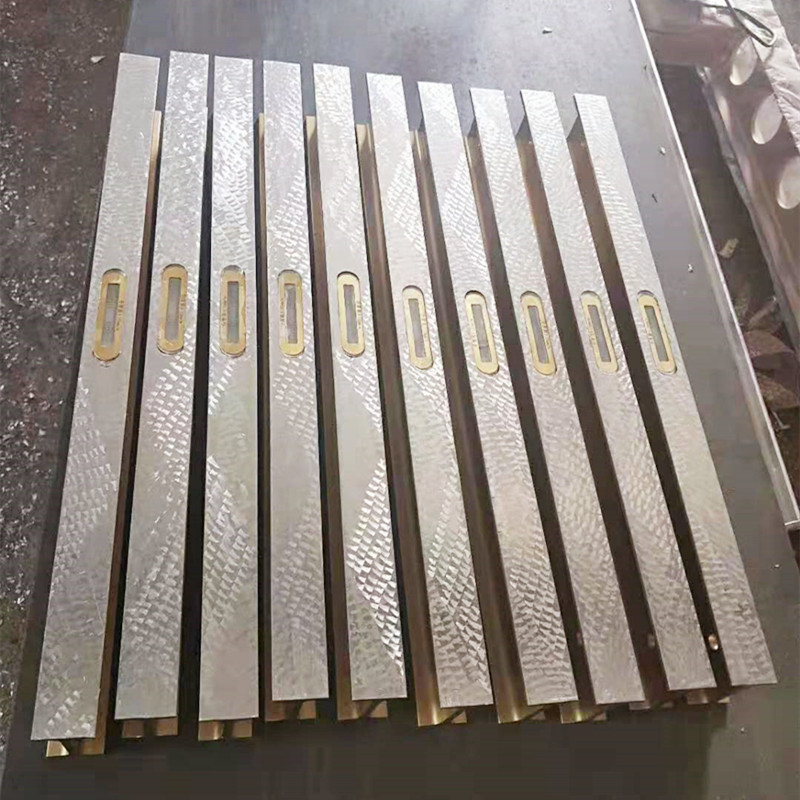
gym mirror sheet
Understanding the Thread Plug Gauge 6g Essential Tool for Quality Control In the realm of manufacturing and engineering, precision is paramount. One of the critical aspects of ensuring quality in threaded components is the usage of thread gauges. Among these, the thread plug gauge, particularly designated as 6g, plays a significant role in verifying the accuracy and functionality of threaded parts. This article delves into the importance, specification, and application of the thread plug gauge 6g. What is a Thread Plug Gauge? A thread plug gauge is a specialized measuring tool used to check the pitch diameter and, in some cases, the major diameter of internal threads. Unlike other thread measuring instruments, a plug gauge is designed to fit into a tapped hole, allowing manufacturers to assess whether the threads conform to specified tolerances. Thread plug gauges are referred to by their tolerances—such as 6g—indicating the precision limits they are designed to meet. Understanding the 6g Tolerance The designation 6g refers to a specific tolerance class in the metric thread system, which is governed by international standards like ISO and DIN. The 6 signifies the basic size, while the g indicates the tolerance grade. In the context of internal threads, a 6g tolerance indicates a medium degree of fit, suitable for many applications where moderate precision is acceptable. This tolerance class is particularly common for general engineering applications, providing a balance between ease of assembly and reliability in operation. Importance of Using 6g Thread Plug Gauges Utilizing a 6g thread plug gauge is essential for ensuring the integrity of threaded components . Here are the primary reasons why this tool is pivotal in manufacturing thread plug gauge 6g 1. Quality Assurance Measuring the internal threads with a 6g plug gauge helps ensure that parts meet the design specifications. This guarantees the components will fit correctly during assembly, preventing issues related to misalignment or mechanical failure. 2. Efficiency in Production With the ability to quickly assess the dimensional accuracy of threaded holes, production times can be optimized. A straightforward and reliable measurement process allows for rapid feedback and adjustment, ensuring the manufacturing process remains efficient. 3. Interchangeability Standardized thread dimensions promote interoperability between various suppliers and manufacturers, which is particularly crucial in industries like automotive and aerospace where precision is key. The 6g tolerance allows for the assurance of part compatibility. 4. Cost-Effectiveness By reducing the likelihood of defects and rework, using a 6g thread plug gauge contributes to lower production costs. A proactive approach to quality assurance minimizes waste and maximizes resource utilization. Applications Across Industries Thread plug gauges, including the 6g type, find applications in a diverse range of industries. From automotive manufacturing to aerospace engineering, and even in machinery, these gauges ensure that components like bolts, screws, and other fasteners meet necessary standards. Their use is not limited to large-scale production; they are equally valuable in small workshops where precision machining takes place. Conclusion In conclusion, the thread plug gauge 6g stands as a vital instrument in the toolkit of quality assurance within manufacturing. Its role in verifying the accuracy of internal threads helps ensure product reliability while maintaining operational efficiency. As industries continue to evolve, the significance of precision measurement tools like the 6g thread plug gauge cannot be overstated. Understanding and utilizing this gauge is essential for manufacturers striving for excellence and consistency in their products. Whether in the design phase or during production, the thread plug gauge 6g proves indispensable for achieving high-quality outcomes in threaded components.
about
gym mirror sheet
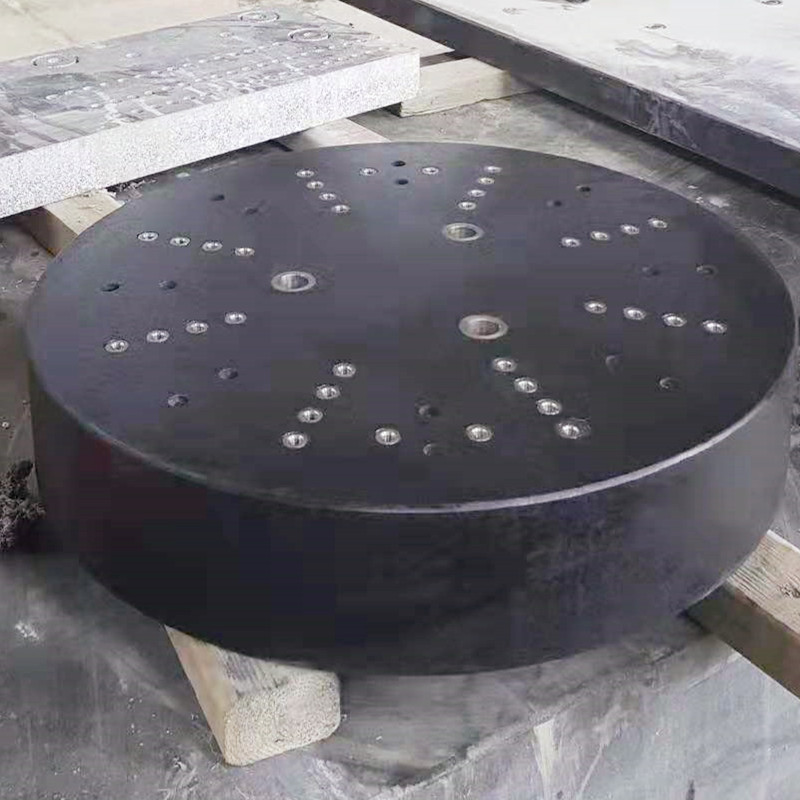
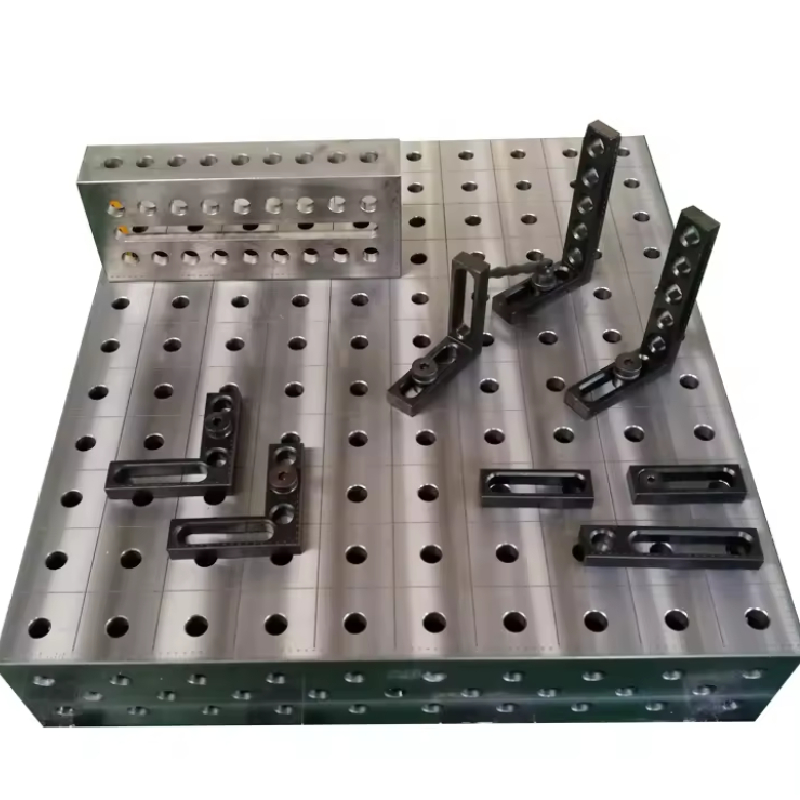
Understanding Precision Surface Plates A Key Tool in Metrology Precision surface plates are vital instruments in the field of metrology and manufacturing, providing a stable and accurate reference plane for various measuring and checking tasks. These plates are essential for a wide array of applications, including dimensional inspection, assembly work, and the calibration of measuring instruments. In this article, we will explore the importance, characteristics, and applications of precision surface plates, as well as best practices for their maintenance. The Importance of Precision Surface Plates Precision surface plates serve as a foundational tool for ensuring accuracy in measurements. Their primary purpose is to provide a consistent flat surface against which other objects can be measured or verified. This is crucial in industries such as aerospace, automotive, and electronics, where even the slightest measurement error can lead to significant issues in product quality, safety, and performance. When an object is placed on a precision surface plate, it can be measured using various techniques, such as calipers, micrometers, or coordinate measuring machines (CMMs). The flatness and stability of the surface plate allow for reliable measurements, helping to ensure that components fit together properly and function as intended. Characteristics of Precision Surface Plates Precision surface plates are typically made from materials like granite, cast iron, or steel. Each material has its advantages 1. Granite Known for its exceptional hardness and resistance to wear, granite is a popular choice for precision surface plates. It is also stable under varying temperature conditions, which is essential for maintaining accuracy over time. 2. Cast Iron Cast iron plates are durable and can offer good vibration damping properties. However, they may require more maintenance to prevent rust and wear compared to granite surfaces. 3. Steel Steel plates are often less expensive and can be very rigid. However, they are susceptible to corrosion and may not provide the same level of accuracy and longevity as granite or cast iron options. Common features of precision surface plates include - Flatness The surface must be within a specific tolerance to ensure accurate measurements. - Hardness The material must resist wear and deformation over time. - Size and Shape Plates come in various sizes, depending on the application, with most designed as rectangular or square shapes. Applications of Precision Surface Plates precision surface plate Precision surface plates are used in various applications across different industries 1. Inspection and Measurement They are used extensively in quality control to measure the flatness of workpieces and to perform precise dimensional checks. 2. Assembly and Layout In assembly tasks, surface plates provide a level reference for accurately aligning components before fastening or machining. 3. Calibration Surface plates are often used to calibrate measuring instruments, ensuring that they produce reliable and accurate readings. 4. Manufacturing In manufacturing settings, they serve as a base for CNC machines and other tools to ensure that parts are produced to the required specifications. Best Practices for Maintenance To ensure the longevity and accuracy of precision surface plates, proper maintenance is essential - Regular Cleaning Surface plates should be cleaned regularly to remove dust and debris. This prevents contamination that can affect measurement accuracy. - Periodic Calibration Regular calibration checks are necessary to ensure the surface plate maintains its specified flatness and does not degrade over time. - Avoiding Damage Care should be taken to avoid dropping heavy objects on the surface plate, as this can cause chips or dents that impact flatness. - Environmental Control It’s important to store surface plates in a controlled environment, away from extreme temperatures and humidity, to prevent material expansion or contraction. Conclusion Precision surface plates are indispensable tools in the realm of precision measurement and manufacturing. Their ability to provide a stable and flat reference surface is critical for achieving accuracy in various applications. By understanding their characteristics, applications, and maintenance requirements, industries can ensure they make the most of these essential measuring instruments, ultimately leading to improved product quality and operational efficiency. In a world where precision matters more than ever, the significance of precision surface plates cannot be overstated.
-

High quality industrial productsagement

High quality industrial products
View Details -

Meet the diverse needs of customers

Meet the diverse needs of customers
View Details -

Strict quality control

Strict quality control
View Details -

Top raw materials

Top raw materials
View Details -

Trusted supplier

Trusted supplier
View Details
Our application


news and information
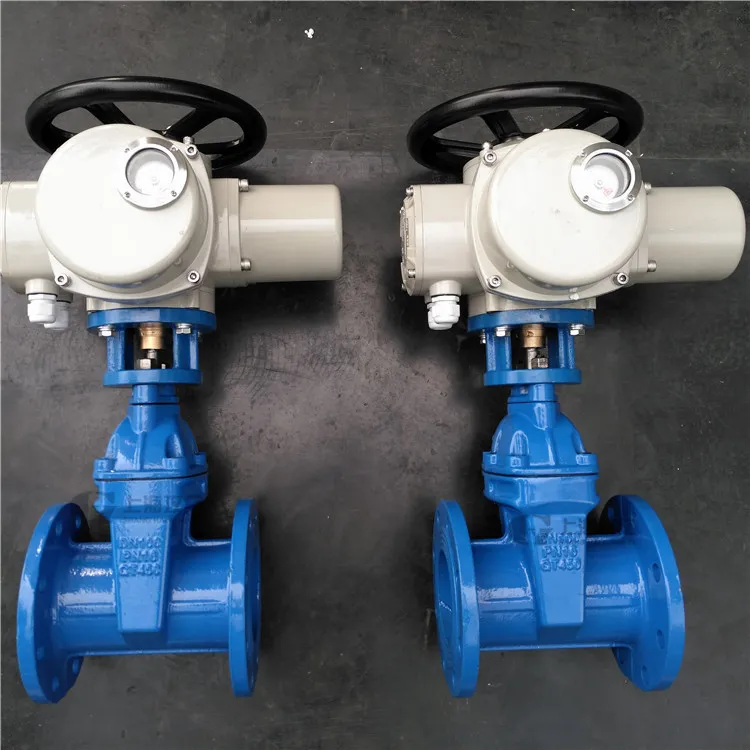
Y Type Strainer Cost and Pricing Analysis for Industrial Applications
Understanding the Pricing of Y-Type Strainers When it comes to maintaining the efficiency and longev
Water Pressure Control Valve for Efficient Regulation and System Protection
Understanding Water Pressure Reduction Valves Water pressure reduction valves (PRVs) are essential c
Ventile de grille de 18 pouces
La vanne de portail de 18 pouces un élément clé pour la gestion des fluides Les vannes jouent un rô
 English